Living Near Dulles Airport: Convenience or Compromise?
Living near Washington Dulles International Airport can offer convenient access to air travel, major employment centers, and transportation connections throughout Northern Virginia. For some homebuyers, the location is a major advantage. For others, aircraft noise, traffic, and the surrounding development may require additional consideration.
The experience depends on the property's exact location, the household's transportation needs, and the type of neighborhood that best fits its lifestyle.
Before purchasing a home in the Dulles corridor, buyers should weigh both the advantages and potential trade-offs.
1. Convenient Access to Air Travel
For frequent travelers, living within a reasonable distance of Dulles International Airport can simplify business trips, vacations, and visits from family.
The airport serves domestic and international destinations, making it a useful regional asset for households that travel regularly.
However, proximity should be measured in actual travel time rather than straight-line distance. Traffic, road access, parking arrangements, and the time of day can all affect how long it takes to reach a terminal.
Buyers should test the route from a prospective home to the airport during the hours they are most likely to travel.
2. Metro Access Expands Transportation Options
The Silver Line provides Metrorail access to Dulles International Airport, connecting the airport with communities and employment centers across the Washington metropolitan area.
For households that use public transportation, the location of the nearest station can be an important part of the home search.
However, living in the broader Dulles area does not automatically mean a home is walkable to Metro. Some properties may require driving, a bus connection, or another transportation option to reach a station.
Compare the complete journey from the home to the station and from the destination station to work. The most useful comparison includes travel time, parking, fares, transfers, and the number of days the commute is required.
3. Aircraft Noise Deserves Careful Consideration
Aircraft noise is one of the most important factors to evaluate when considering a home near Dulles.
The amount of noise a property experiences can vary depending on its location relative to flight paths, aircraft operations, weather, and other conditions. Two homes in the same general community may have noticeably different experiences.
Before making an offer, buyers should:
-
Visit the property at different times of day.
-
Spend time both indoors and outdoors.
-
Pay attention to aircraft noise with windows open and closed.
-
Ask questions about known noise concerns and review available property disclosures.
-
Investigate available airport noise information for the specific area.
The Dulles International Airport aircraft noise information page provides resources for understanding aircraft noise and related community concerns.
Noise tolerance is personal. What seems insignificant during a short showing may become more noticeable to someone who works from home, spends substantial time outdoors, or is sensitive to interruptions.
4. Highway Access Can Be Helpful, but Traffic Still Matters
The Dulles corridor connects to major roads, including Route 28, Route 7, the Dulles Toll Road, and nearby interstate routes.
This network can be useful for residents commuting to employment centers in Reston, Herndon, Tysons, Fairfax, and other parts of Northern Virginia.
At the same time, travel times can vary considerably with congestion, construction, and the exact starting and ending points.
Buyers should test their expected commute during realistic travel periods rather than relying exclusively on estimated off-peak times.
Households with multiple commuters should consider each person's route before deciding where to focus their search.
5. Nearby Communities Offer Different Living Environments
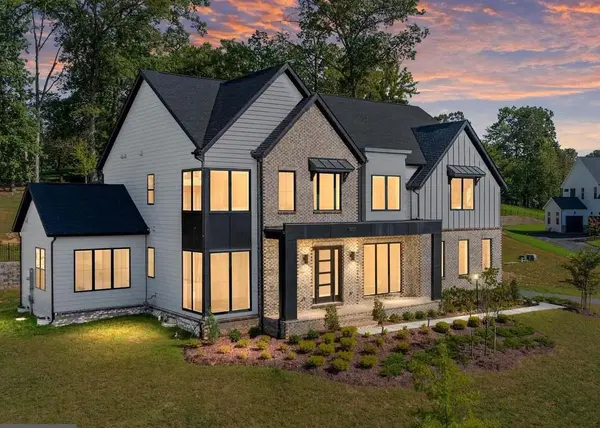
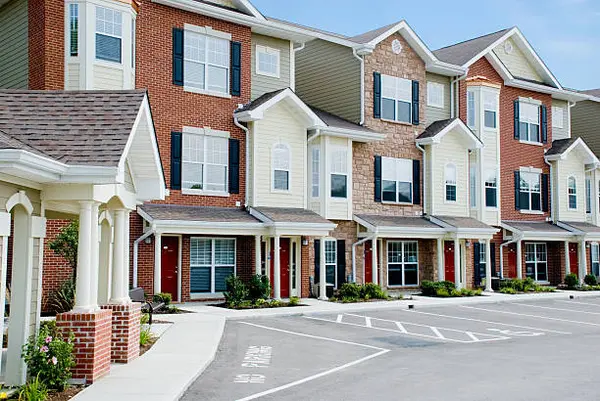
The Dulles corridor includes a range of residential options, from established neighborhoods to newer developments, townhomes, condominiums, and detached homes.
Reston offers planned neighborhoods, trails, recreation, and access to the Silver Line. Herndon combines an established town center with surrounding residential communities and access to the broader Dulles employment corridor. Ashburn provides additional suburban housing options farther west in Loudoun County.
The differences between these locations can matter as much as their proximity to the airport.
For a more detailed comparison, explore Reston versus Herndon and the best Northern Virginia communities for Washington commuters.
6. Consider Future Development and Everyday Convenience
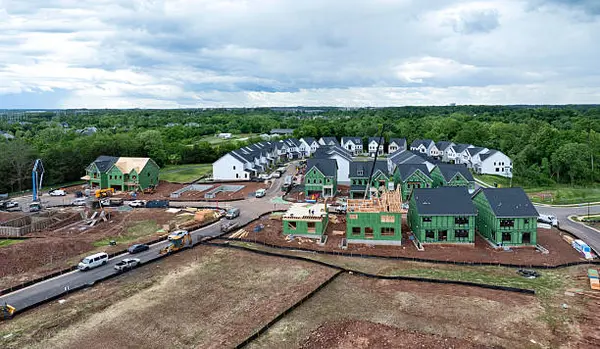
The area surrounding Dulles continues to serve residential, commercial, and transportation needs. Buyers should consider nearby road networks, shopping, dining, parks, and services alongside the home itself.
Look at current access to everyday necessities and investigate significant planned development that could affect traffic, noise, or the surrounding environment.
A property that appears convenient on a map may involve longer trips for groceries, recreation, or other routine activities than expected.
Is Living Near Dulles Airport the Right Choice?
For frequent travelers and people working in the Dulles corridor, nearby communities can offer meaningful transportation advantages. For other households, aircraft noise, traffic, or distance from preferred amenities may be more important considerations.
The decision should be based on the specific property rather than the airport's distance alone.
Searching for a home near Dulles? Mike Andrew helps buyers compare communities throughout Northern Virginia, evaluate location trade-offs, and narrow their search based on commute, budget, housing preferences, and everyday needs.
Mike Andrew, REALTOR®
REAL Broker, LLC
Recent Posts