Brand-New Home or a 30-Year-Old House: Which Is the Smarter Buy in Northern Virginia?
Brand-New Home or a 30-Year-Old House: Which Is the Smarter Buy in Northern Virginia?
Imagine walking into two homes in Northern Virginia.
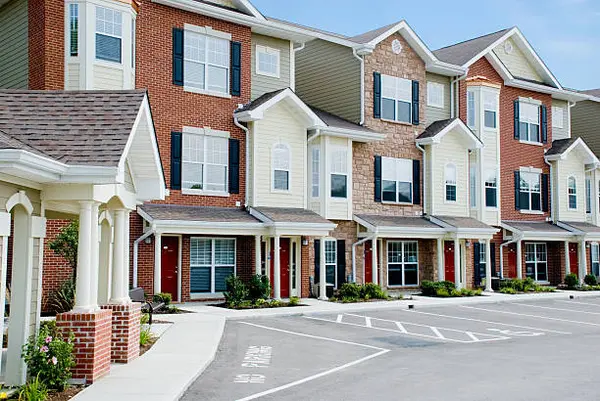
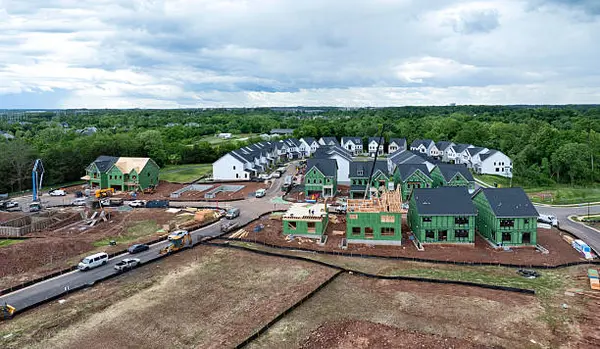
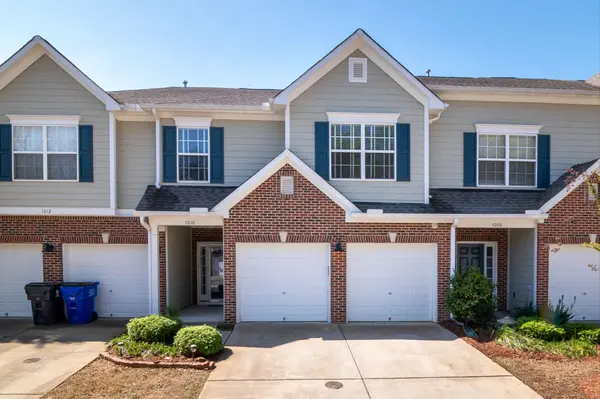
The first is brand-new. It has an open kitchen, modern appliances, fresh flooring, energy-efficient features, and a builder's warranty.
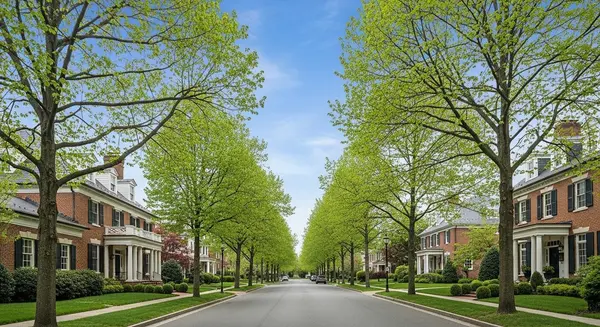
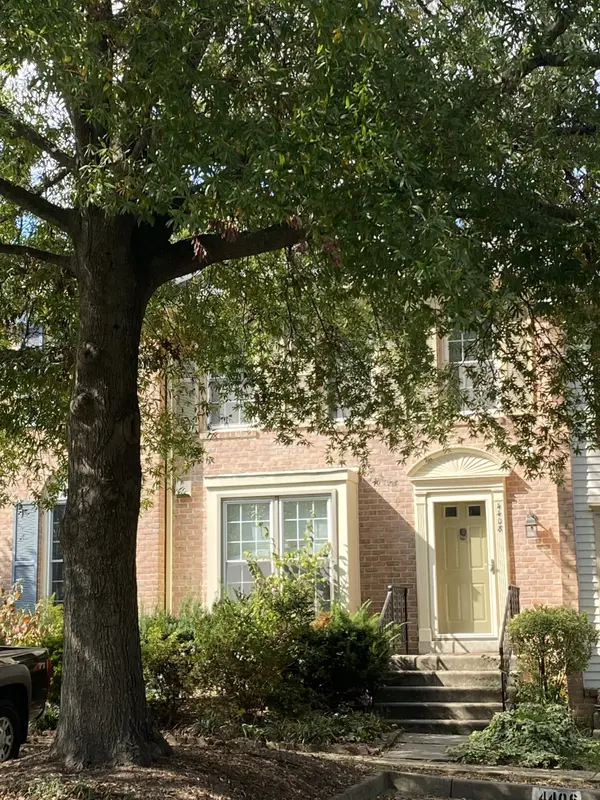
The second was built in 1996. It features an established neighborhood, mature trees, an existing patio, and a layout that may feel more traditional.
Both homes could be attractive options, but which one is actually the smarter purchase?
When comparing new construction versus older homes in Northern Virginia, the answer involves much more than age.
Location, construction quality, maintenance history, property taxes, warranties, and long-term ownership expenses can all influence the decision.
1. New Construction Doesn't Automatically Mean Better Value
One of the biggest attractions of new construction is that the property has never been occupied.
Buyers may have opportunities to select finishes, flooring, cabinetry, countertops, and other interior features, depending on the builder and stage of construction.
New homes may also include current building materials, updated mechanical equipment, and layouts designed around contemporary living preferences.
However, the advertised base price may not represent the final cost.
Additional expenses can include:
-
Premium lots
-
Upgraded flooring or cabinetry
-
Finished basements
-
Decks and patios
-
Window treatments
-
Landscaping
-
Appliances excluded from the base package
-
Optional rooms or structural upgrades
A home advertised at an attractive starting price could cost considerably more after selections and upgrades.
Buyers should request a detailed breakdown of what the advertised price includes.
2. Older Homes May Offer Something Builders Can't Easily Recreate
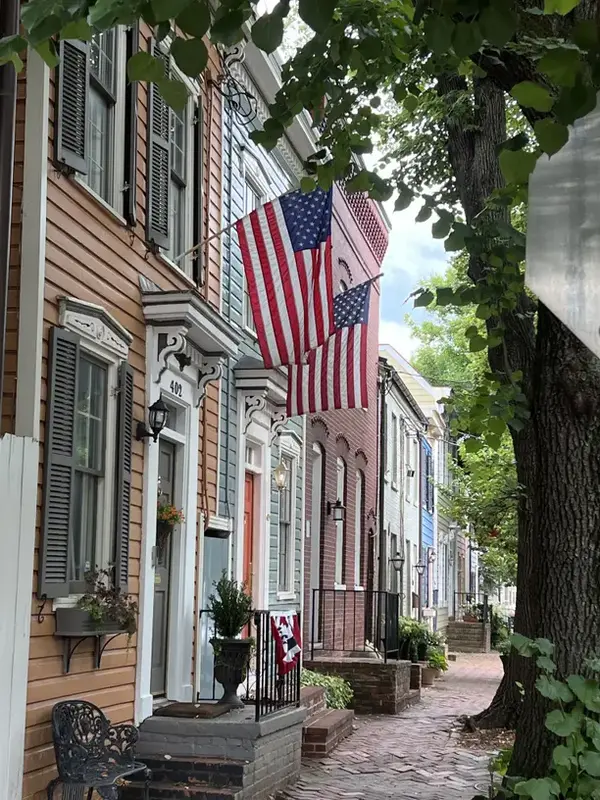
In parts of Fairfax County, Vienna, Reston, Herndon, and surrounding communities, buyers can find established homes constructed decades ago.
Some of these properties offer characteristics that are harder to find in newer developments.
These may include mature trees, larger or differently shaped lots, established landscaping, distinctive architecture, and locations closer to existing commercial areas.
An older property may already include improvements such as fencing, patios, finished basements, or additional storage.
For buyers who prioritize a particular neighborhood or outdoor environment, an established home may offer advantages over a newly constructed property.
However, these benefits should be weighed against the home's physical condition.
3. The Real Cost of Maintenance: New vs. Old
A major concern when purchasing an older property is the condition of its most expensive systems.
Buyers should pay particular attention to:
Roofing: How old is the roof, and has it experienced leaks or repairs?
Heating and cooling: When were the HVAC systems last replaced or serviced?
Plumbing: Are there known leaks, drainage concerns, or outdated components?
Electrical systems: Has the electrical panel been evaluated, and are there sufficient circuits for current needs?
Windows and insulation: Could improvements help reduce heating and cooling expenses?
Foundation and drainage: Are there signs of moisture intrusion, settlement, or improper grading?
A home built in 1996 does not necessarily have 30-year-old equipment. Many properties have undergone substantial upgrades.
Likewise, a new home should not be assumed to be free of defects.
Buyers should evaluate actual condition instead of making decisions based on construction year alone.
4. What About Builder Warranties?
New construction can provide buyers with certain warranty protections.
Virginia law generally includes a one-year statutory warranty concerning construction quality for qualifying new-home sales.
Additional structural or systems coverage may be available through a builder's written warranty, but the terms, exclusions, and claim procedures can differ.
Buyers should review the warranty documents carefully.
For more information, see the Virginia REALTORS® explanation of new-construction warranty protections.
A warranty is valuable, but it is not a substitute for inspections and careful documentation.
5. Why Home Inspections Matter for Both
Some buyers assume they only need a professional inspection when purchasing an older home.
That can be a costly assumption.
Newly constructed homes may still contain installation errors, drainage problems, incomplete work, or other defects.
Depending on the construction timeline and contract terms, buyers may be able to arrange a pre-drywall inspection, a final inspection before settlement, and an additional inspection before applicable warranty periods expire.
For an existing home, inspections may identify visible issues involving structural components, moisture, electrical systems, roofing, plumbing, and HVAC equipment.
Specialized inspections may also be appropriate based on the property.
In Virginia, buyers should understand applicable contract deadlines and due-diligence responsibilities before committing to a purchase.
6. The Location Trade-Off
One of the most important considerations is location.
Some new developments offer modern homes and planned community amenities but may be farther from certain employment centers or established destinations.
Older homes may be available in communities with existing transportation connections, shopping districts, trails, and neighborhood facilities.
For example, a buyer comparing properties around Reston, Vienna, and Herndon may encounter established communities offering different housing options from newer construction farther west or south.
Neither location is automatically preferable.
The right choice depends on commute requirements, access to amenities, housing priorities, and budget.
Homebuyers can explore different property types through Northern Virginia homes for sale.
7. Don't Forget Property Taxes, HOA Fees, and Monthly Expenses
The purchase price represents only one part of the cost of homeownership.
New developments may have homeowners association dues, special assessments, and community rules.
Some established communities also have associations with their own maintenance responsibilities and restrictions.
Additionally, homeowners should consider:
-
Property taxes based on applicable assessments
-
Homeowners insurance
-
Utilities
-
Maintenance and repairs
-
Landscaping
-
Transportation costs
-
Future renovations or improvements
New construction may offer efficient mechanical systems and insulation, but actual utility expenses depend on the home's size, design, equipment, and usage.
Older properties may have higher maintenance needs, yet could already include improvements that would cost extra in a new home.
A detailed comparison should account for these differences.
8. Which Type of Home Is the Better Long-Term Investment?
There is no universal winner.
A new home purchased at a competitive price in a desirable location may be a strong choice.
An older home with a favorable layout, well-maintained systems, and an established location may also offer excellent long-term value.
The critical factors include the purchase price, property condition, land value, future maintenance, neighborhood market, and expected holding period.
Buyers should also consider whether they prefer a move-in-ready property or are comfortable managing renovations.
Those relocating from another state may find it helpful to review what homebuyers should know before moving to Northern Virginia.
Final Verdict: Which Home Is the Smarter Buy?
New construction may make more sense when:
-
Modern layouts and finishes are priorities.
-
Buyers value builder warranty coverage.
-
Customization is important.
-
Lower near-term maintenance needs are a major consideration.
An older home may make more sense when:
-
A particular established neighborhood is preferred.
-
Mature landscaping or outdoor space matters.
-
The property's location outweighs its construction age.
-
Buyers are comfortable evaluating maintenance and renovation needs.
Ultimately, the smarter purchase is the property that offers the best combination of condition, location, affordability, and suitability for the buyer.
Comparing new construction and existing homes in Northern Virginia?
Mike Andrew, REALTOR® and Military Relocation Professional with REAL Broker, LLC, helps buyers evaluate properties, understand local markets, and compare housing opportunities throughout Northern Virginia.
Contact Mike Andrew to discuss available homes and begin a more informed property search.
Recent Posts