The Hidden Costs of Buying a Home in Northern Virginia That Nobody Talks About
Buying a home in Northern Virginia involves more than saving for a down payment and qualifying for a mortgage. Property taxes, homeowners insurance, association fees, maintenance, and commuting expenses can all affect the true cost of homeownership.
These expenses can vary significantly between communities in Fairfax County, Loudoun County, Arlington, Prince William County, and the surrounding region. Understanding them before making an offer helps buyers establish a realistic budget and avoid unexpected financial pressure after closing.
1. Property Taxes Can Vary by Location
Property taxes are an important part of the monthly cost of owning a home. Northern Virginia buyers should compare the applicable tax rates for the specific property rather than assuming neighboring communities have identical tax obligations.
The amount owed can depend on the property's assessed value, local tax rates, and applicable special districts or service charges. Even homes with similar purchase prices can have different annual tax bills.
Before making an offer, review the property's tax history and investigate the applicable jurisdiction. The Fairfax County real estate tax information provides details about rates and additional charges that may apply to individual properties.
2. Closing Costs Add to the Upfront Expense
A down payment is only one part of the cash needed to purchase a home. Buyers may also encounter lender fees, appraisal charges, title services, settlement fees, recording charges, prepaid insurance, and initial escrow deposits.
The exact amount depends on the loan, property, service providers, and terms negotiated in the transaction.
Review the Loan Estimate early in the financing process and compare it with the Closing Disclosure before closing. Buyers should understand which expenses are due at settlement and whether any seller concessions or lender credits are available.
3. HOA and Condo Fees Can Change the Monthly Budget
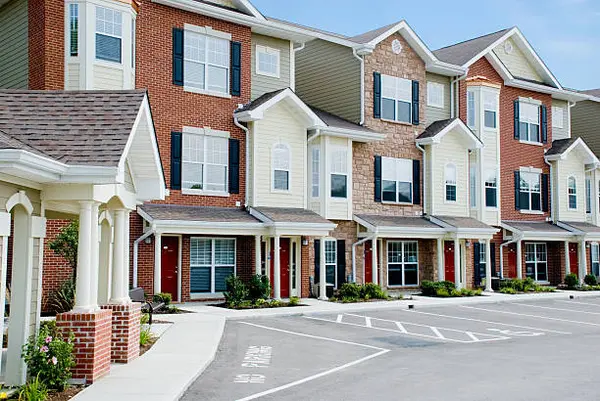
Many Northern Virginia communities have homeowners associations, condominium associations, or multiple layers of community management.
Monthly or quarterly fees may cover amenities, landscaping, common-area maintenance, exterior maintenance, or other shared expenses. However, the services and financial responsibilities differ by association.
Before committing to a property, review:
-
The current association fee and what it covers
-
Rules governing pets, renovations, parking, and property use
-
Reserve funds and planned maintenance projects
-
Pending or potential special assessments
-
Any additional master association or community charges
A lower-priced townhome or condominium may have substantial recurring fees that change how affordable it is compared with another property.
4. Homeowners Insurance Depends on More Than the Purchase Price
Insurance premiums can vary based on the home's age, construction, roof condition, claims history, coverage limits, deductible, and other risk factors.
Buyers should obtain insurance quotes before their closing deadline rather than relying on a rough estimate. Older homes or properties with aging roofs and major systems may require additional investigation.
Properties near waterways or in areas with drainage concerns may also warrant a closer look at flood risk and available coverage. Standard homeowners insurance does not generally cover flood damage.
5. Inspections Can Reveal Future Repair Expenses
A home inspection helps buyers understand the property's condition, but it does not guarantee that every defect will be identified.
Depending on the property, additional evaluations may be appropriate for the roof, sewer line, chimney, pests, drainage, radon, or other concerns.
Potential repairs involving HVAC equipment, plumbing, electrical systems, foundations, or water intrusion can become significant expenses after closing.
Buyers should understand the inspection terms in their purchase contract and consider the likely cost of necessary repairs when deciding whether to proceed.
6. Utilities and Maintenance Are Ongoing Expenses
The cost of keeping a home comfortable and functional continues long after the transaction closes.
Budget for electricity, natural gas, water, sewer, trash service, internet, lawn care, and seasonal maintenance where applicable. Larger properties may require more landscaping and exterior upkeep, while older homes may need more frequent repairs or equipment replacement.
A practical maintenance reserve can help homeowners prepare for expenses that do not occur every month but are inevitable over time.
7. Commuting Costs Can Affect Affordability
Northern Virginia's transportation network connects residents to major employment centers, but the cost of getting around depends heavily on location and work arrangements.
Consider toll roads, fuel, parking, Metro fares, commuter rail, and the time required to reach work or frequently visited destinations.
A home with a lower purchase price may not provide the lowest overall cost if the commute is substantially longer or requires expensive transportation.
Comparing communities before choosing a property can help buyers balance housing expenses with everyday travel. The Northern Virginia home-buying guide offers additional considerations for evaluating locations throughout the region.
Build a Complete Homeownership Budget Before Making an Offer
The most useful home-buying budget accounts for the initial purchase, recurring expenses, and potential repairs. Buyers comparing Fairfax County and Loudoun County can also review how location affects their housing options and daily routines in this Northern Virginia county comparison.
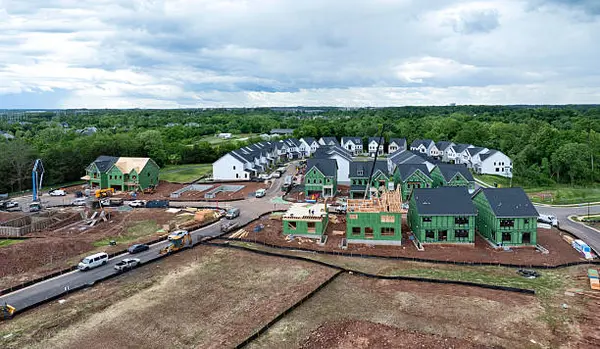
New construction deserves its own cost review, too, because lot premiums, upgrades, and builder options can increase the final price beyond the advertised starting figure. This guide to buying new construction in Northern Virginia explains additional considerations.
The right home is not simply the one a buyer can afford to purchase. It is one that fits the household's budget after accounting for taxes, insurance, maintenance, transportation, and other ongoing responsibilities.
Planning a move to Northern Virginia? Mike Andrew helps buyers compare communities, evaluate properties, and navigate the home-buying process throughout the region. Contact Mike to discuss your priorities and develop a home search that fits your budget.
Mike Andrew, REALTOR®
REAL Broker, LLC
Recent Posts