Best Northern Virginia Communities for Commuters to Washington, DC
Living in Northern Virginia provides buyers with access to a wide range of communities within reach of Washington, DC.
The right location depends on more than simply finding the shortest distance to the District. Metro access, highway connections, housing type, neighborhood environment, parking, work schedule, and budget can all affect which community makes the most sense.
Some buyers want to live within a few Metro stops of Washington. Others are comfortable living farther west in exchange for a different housing environment, more space, or access to other Northern Virginia employment centers.
Here are several communities worth considering when searching for a home in Northern Virginia while maintaining access to Washington, DC.
Arlington
Few Northern Virginia locations place residents as close to Washington as Arlington.
The county sits directly across the Potomac River from the District and contains several Metro-accessible neighborhoods along the Orange, Silver, Blue, and Yellow lines.
Areas such as Rosslyn, Courthouse, Clarendon, Virginia Square, and Ballston provide access to Metro stations alongside restaurants, retail, offices, apartments, condominiums, townhouses, and surrounding residential neighborhoods.
Other parts of Arlington provide a more traditional residential environment while remaining relatively close to Washington.
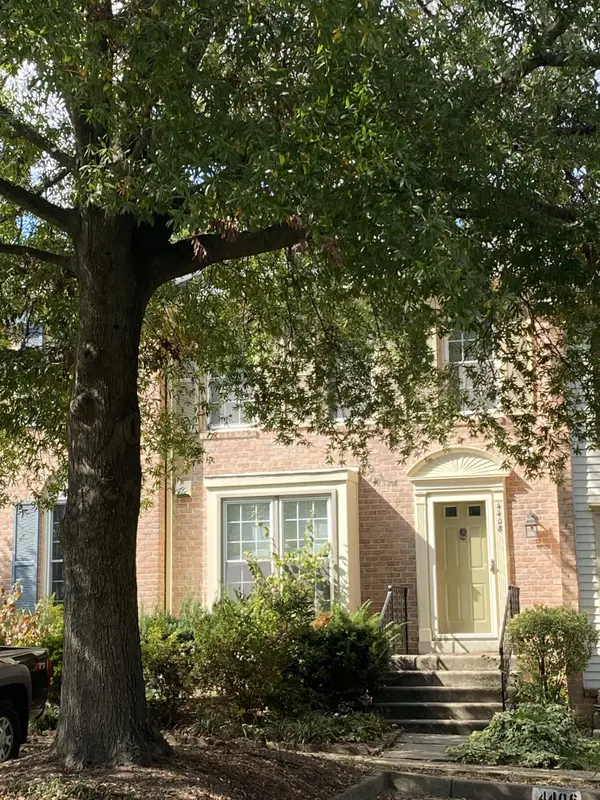
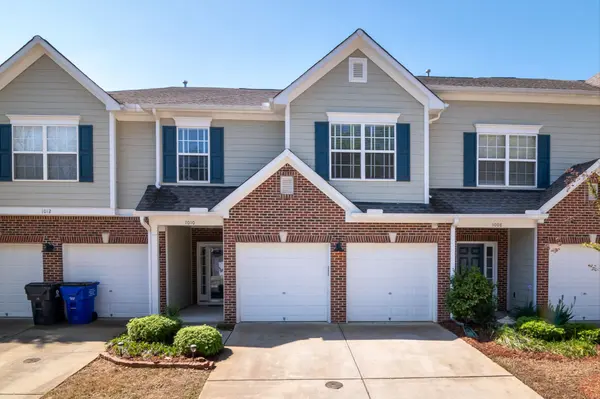
The housing market varies considerably throughout the county. Buyers may encounter high-rise condominiums near Metro stations, detached homes farther into residential neighborhoods, townhouses, and properties with very different levels of walkability.
Buyers interested in living particularly close to the District can explore Arlington, VA real estate and compare the different neighborhoods and housing types available throughout the county.
Alexandria
Alexandria is another major option for buyers commuting into Washington.
Old Town Alexandria provides a distinctive historic environment with restaurants, shops, residential streets, waterfront areas, and access to Metro and other transportation options.
However, Alexandria extends well beyond Old Town.
Buyers can encounter condominiums, townhouses, established single-family neighborhoods, newer developments, and properties throughout both the independent City of Alexandria and surrounding areas carrying Alexandria mailing addresses.
Metro stations serving the broader Alexandria area include Braddock Road, King Street-Old Town, Eisenhower Avenue, Potomac Yard, and Van Dorn Street.
The location can work particularly well for commuters heading into Washington, the Pentagon, Crystal City, National Landing, or other employment centers closer to the Potomac.
Current homes for sale in Alexandria, VA provide a good example of just how varied the housing stock can be throughout the area.
Falls Church
Falls Church deserves consideration from buyers looking for a location between Arlington and the larger Fairfax County suburbs.
The area provides access to major routes such as I-66, Route 7, and the Capital Beltway, while West Falls Church and East Falls Church Metro stations provide Orange Line access. East Falls Church is also served by the Silver Line.
Like several Northern Virginia communities, the phrase "Falls Church" can refer to more than one jurisdictional area. Properties may be located within the independent City of Falls Church or in surrounding Fairfax County neighborhoods carrying Falls Church mailing addresses.
Housing can range from detached homes in established residential neighborhoods to townhouses, condominiums, and newer redevelopment closer to major commercial areas.
Its position between Arlington, Tysons, and Fairfax County gives buyers another option when balancing a Washington commute with access to Northern Virginia employment centers.
Vienna
Vienna offers a different environment from Arlington and Alexandria.
The Town of Vienna contains established residential neighborhoods, a traditional downtown area, local businesses, parks, and access to the W&OD Trail. The broader Vienna postal area extends toward Tysons, Dunn Loring, and other parts of Fairfax County.
Transportation options depend heavily on the property's exact location.
The Vienna/Fairfax-GMU Metro station provides Orange Line access, while Dunn Loring-Merrifield is another Orange Line option nearby. Portions of the broader Vienna area closer to Tysons can also provide access to Silver Line stations.
Interstate 66 is one of the primary routes connecting Vienna with Arlington and Washington.
For buyers who do not need to live immediately next to the District, Vienna can provide a balance between an established suburban residential environment and access to the larger Washington region.
Reston
Reston is farther from downtown Washington than Arlington, Alexandria, or Falls Church, but the expansion of the Silver Line has changed the area's transportation options.
Both Wiehle-Reston East and Reston Town Center provide Silver Line service, allowing riders to travel toward Tysons, Arlington, and Washington or west toward Dulles International Airport and Loudoun County.
The community itself offers a very different residential environment from locations closer to DC.
Reston was developed as a planned community with residential villages, lakes, trails, recreation facilities, commercial areas, and mixed-use development. Housing includes detached homes, townhouses, condominiums, and newer residential development around Reston Town Center.
Areas such as Lake Anne, Lake Audubon, Lake Thoreau, Lake Newport, North Point, Hunters Woods, and Reston Town Center each provide different surroundings while remaining part of the broader Reston community.
Buyers considering the western portion of Fairfax County can explore Reston homes for sale and compare properties based on Metro access, neighborhood setting, housing type, and proximity to major roads.
Tysons and McLean
Tysons is one of Northern Virginia's largest employment and commercial centers and can also provide useful transportation options for people who need access to Washington.
Silver Line stations at Tysons, Greensboro, Spring Hill, and McLean connect the area with Arlington, Washington, Reston, Dulles International Airport, and other parts of the corridor.
Residential options around Tysons include condominiums, apartments, townhouses, and nearby single-family neighborhoods.
McLean offers a different housing environment, with large portions of the community consisting of established residential neighborhoods rather than high-density mixed-use development.
For buyers who work in both Washington and Northern Virginia, the Tysons/McLean area can be worth considering because of its central position between the two.
Fairfax
Fairfax provides another option for buyers willing to live somewhat farther from Washington.
The City of Fairfax and surrounding Fairfax County communities contain a broad selection of detached homes, townhouses, condominiums, established neighborhoods, and newer developments.
The Vienna/Fairfax-GMU Metro station provides Orange Line access from the eastern side of the Fairfax area, while I-66 is one of the primary road connections toward Arlington and Washington.
Fairfax can make sense for households whose daily travel is divided between Washington and employment centers elsewhere in Northern Virginia.
Because the area is geographically large, commute conditions can vary significantly depending on the exact neighborhood.
Springfield
Springfield can be particularly relevant for commuters working in Washington, Alexandria, the Pentagon, or other locations along the southern side of the region.
Franconia-Springfield Metro station provides Blue Line service, while Virginia Railway Express also serves the area.
Interstate 95, Interstate 395, and the Capital Beltway connect Springfield with Alexandria, Arlington, Washington, and surrounding Northern Virginia communities.
Housing throughout Springfield includes established detached-home neighborhoods, townhouses, condominiums, and communities located at varying distances from transit and major roads.
As with most Northern Virginia markets, the exact neighborhood can matter just as much as the city name.
Understanding Northern Virginia Metro Access
Metro accessibility is one of the first things many Washington commuters consider during a home search.
Northern Virginia is served by several Metrorail lines. The official Washington Metropolitan Area Transit Authority station directory shows Virginia stations across the Orange, Silver, Blue, and Yellow lines, including stations in Arlington, Alexandria, Fairfax, Vienna, Reston, Tysons, Springfield, Ashburn, and other communities.
However, simply living in a city with a Metro station does not necessarily mean the station is close to a particular home.
A property may be walkable to Metro, require a short drive or bus trip, or be several miles away despite sharing the same city name.
Buyers who expect to rely heavily on Metro should evaluate the travel time between each individual property and the nearest station.
Driving Into Washington, DC
For buyers planning to drive, location relative to major highways becomes especially important.
Northern Virginia's primary commuter corridors include I-66, I-395, I-95, the George Washington Memorial Parkway, Route 50, Route 29, Route 7, and the Dulles Toll Road.
Actual commute times can vary considerably depending on departure time, traffic conditions, destination, construction, and the neighborhood where a buyer lives.
A community that appears farther from Washington on a map may occasionally provide a more practical commute for a particular workplace than a closer community with less convenient transportation access.
Testing a potential commute during the hours it would normally occur can provide more useful information than relying entirely on mileage.
Choosing the Right Community for a DC Commute
There is no single Northern Virginia community that works best for every Washington commuter.
Buyers who want to minimize distance from DC may concentrate more heavily on Arlington, Alexandria, or Falls Church.
Someone looking for a more suburban environment while retaining Metro access may consider Vienna.
Reston can make sense for buyers who want access to the Silver Line while also prioritizing its planned neighborhoods, trails, lakes, recreation, and western Fairfax County location.
Fairfax and Springfield provide additional options for buyers whose housing priorities or employment locations extend beyond downtown Washington.
The most useful approach is to compare specific properties based on the commute that actually matters.
That means considering the workplace destination, expected travel days, Metro availability, highway access, parking, housing budget, and neighborhood preferences together rather than choosing a community based solely on distance from Washington.
Finding a Home in Northern Virginia
Northern Virginia gives commuters a broad range of options, from Metro-oriented neighborhoods immediately outside Washington to established suburban communities farther into Fairfax County.
The right location depends on the balance a buyer wants between commute, housing, space, transportation, amenities, and neighborhood environment.
Comparing individual neighborhoods and testing transportation options before purchasing can help narrow a large Northern Virginia search into a much more manageable group of communities.
Mike Andrew | REAL Broker LLC assists buyers, sellers, investors, and relocating households throughout Northern Virginia.
Recent Posts