Condo vs. Townhouse vs. Single-Family Home in Northern Virginia: Which Is Right for You?
Condo vs. Townhouse vs. Single-Family Home in Northern Virginia: Which Is Right for You?
Finding the right home in Northern Virginia is not only about choosing the right city or neighborhood. One of the biggest decisions buyers face is determining what type of home actually makes sense for their budget, lifestyle, commute, and long-term plans.
A condo near Metro might make everyday travel easier. A townhouse can provide additional space without all the maintenance responsibilities of a detached property. A single-family home may offer the yard, privacy, and flexibility a buyer wants, but it often comes with more upkeep.
There is no universally “best” option.
Northern Virginia offers all three property types across communities ranging from Alexandria and Fairfax to Reston, Vienna, Loudoun County, and Prince William County. Buyers can browse current Northern Virginia homes for sale to see how dramatically the options can vary depending on location.
So how do you decide?
Here are some of the most important differences to consider when comparing condos, townhouses, and single-family homes in Northern Virginia.
Condo vs. Townhouse vs. Single-Family Home at a Glance
Before getting into the details, here is the simplest way to think about the three options.
Condo: Usually offers less exterior maintenance and may include shared amenities, but buyers often have less private outdoor space, more shared walls, and condominium fees to consider.
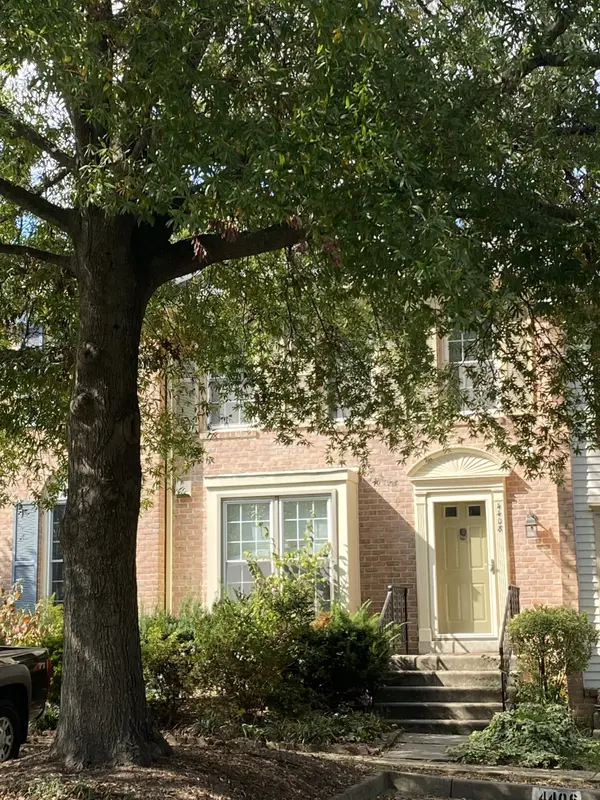
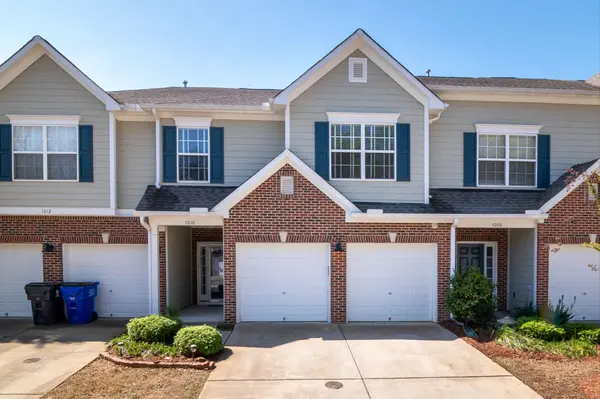
Townhouse: Often provides a middle ground between a condo and detached home, with more living space and some private outdoor space while still commonly having an HOA and shared walls.
Single-family home: Generally offers the most privacy, outdoor space, and control over the property, but homeowners are typically responsible for more maintenance and repairs.
Northern Virginia has plenty of exceptions, though. A large three-level townhouse may provide more living space than an older detached home. A luxury condo can cost considerably more than either. An established single-family neighborhood might have an HOA, while another one nearby may not.
That is why buyers should compare the complete picture rather than choosing based on property type alone.
1. Condos: Convenience With Less Exterior Maintenance
For buyers who want a lower-maintenance lifestyle, condos can be an attractive option.
Condominium owners generally own their individual unit while sharing ownership or responsibility for common areas through the condominium association. The association typically handles many exterior and community maintenance responsibilities.
Depending on the building or development, that may include:
- Exterior building maintenance
- Common hallways and entrances
- Landscaping
- Snow removal
- Elevators
- Roof maintenance
- Trash service
- Community amenities
- Building management
That can be especially appealing for buyers who travel frequently, work long hours, or simply do not want to spend weekends maintaining a yard and exterior.
Where Condos Can Make Sense in Northern Virginia
Location is one of the biggest reasons buyers consider condos.
In areas where land is limited and access to transportation is valuable, condos can provide an opportunity to live in locations where detached homes may be significantly more expensive.
Communities such as Reston offer condos alongside townhouses and detached homes, giving buyers several property types within the same general area. Buyers interested in that market can explore homes for sale in Reston.
Condos may also include amenities such as fitness centers, pools, secured entrances, clubrooms, concierge services, or assigned garage parking.
The important question is whether those features are worth the ongoing cost to you.
2. Don't Ignore Condo Fees
A condo with a lower listing price does not necessarily mean it will produce the lowest monthly housing cost.
Condominium associations collect fees to operate and maintain the property, and those fees can vary substantially from one community to another.
According to the Consumer Financial Protection Bureau, condo and HOA dues are generally separate from the monthly mortgage payment, meaning buyers need to account for them when determining what they can comfortably afford. Buyers can review additional guidance on condo and HOA fees from the Consumer Financial Protection Bureau.
Before purchasing a condo, look at:
- Monthly condominium fees
- What utilities are included
- Association reserves
- Recent or planned special assessments
- Building maintenance history
- Insurance responsibilities
- Parking arrangements
- Rental restrictions
- Pet rules
- Renovation restrictions
A higher monthly fee is not automatically bad if it covers extensive services and the association is financially healthy.
Likewise, a low fee is not necessarily good if the association has insufficient reserves or major expenses coming.
The number alone does not tell the whole story.
3. Townhouses: The Middle Ground
For many Northern Virginia buyers, a townhouse falls somewhere between a condo and a detached home.
A townhouse may provide multiple levels, more bedrooms, private entrances, a garage or driveway, and some outdoor space while still being part of a relatively compact community.
That combination is one reason townhouses are so common throughout Northern Virginia.
They can work well for buyers who want more space than a typical condo but do not necessarily want the maintenance responsibilities or price point associated with a larger detached home.
What Do You Actually Own?
This is an important distinction.
A townhouse describes the style of the property, not necessarily the legal ownership structure.
Some townhouses are fee-simple properties where the homeowner owns both the structure and the land. Others are legally organized as condominiums.
That distinction can affect:
- Maintenance responsibilities
- Association fees
- Insurance
- Financing
- Exterior modifications
- Ownership of the land
Two homes can look nearly identical from the outside while having very different ownership arrangements.
Buyers should verify the legal structure rather than assuming every townhouse works the same way.
4. Townhouse HOAs Can Be a Major Factor
Many townhouse developments in Northern Virginia have homeowners associations.
Depending on the community, the HOA may maintain common landscaping, recreational facilities, playgrounds, trails, pools, roads, or other shared spaces.
The tradeoff is that homeowners must follow the association's rules.
Those rules may affect things such as:
- Exterior paint colors
- Fences
- Decks
- Landscaping
- Parking
- Commercial vehicles
- Rentals
- Exterior renovations
Before purchasing, buyers should review the HOA documents carefully rather than assuming the restrictions will not matter.
This becomes especially important for anyone who might eventually rent the property or make major exterior changes.
5. Single-Family Homes: More Independence, More Responsibility
For buyers who prioritize privacy, outdoor space, storage, and greater control over the property, a detached single-family home may be the preferred option.
There are no shared walls with neighboring homes, and many properties offer features such as yards, garages, driveways, patios, decks, and additional storage.
But more independence usually means taking on more responsibility.
When something needs maintenance, the homeowner is generally responsible for handling it.
That can include:
- Roof replacement
- Exterior siding
- Landscaping
- Tree maintenance
- Driveway repairs
- Gutters
- HVAC systems
- Plumbing
- Electrical systems
- Windows and doors
- Drainage and yard maintenance
There is usually no condominium association maintaining the building for you.
For some buyers, that level of control is exactly what they want. For others, the additional upkeep can be a major drawback.
6. Don't Assume Single-Family Means “No HOA”
A detached home can still belong to a homeowners association.
Planned communities throughout Northern Virginia may include single-family homes subject to HOA fees, architectural guidelines, and community restrictions.
Other established neighborhoods may have little or no association involvement at all.
That means buyers looking for greater control over their property should investigate the specific community, rather than simply filtering their search to detached homes.
For example, the Vienna real estate market includes condos, townhouses, and detached homes across communities with very different ownership structures and neighborhood characteristics.
Property type is only one piece of the decision.
7. Which Option Gives You the Most Space?
Generally, detached homes provide the greatest opportunity for private indoor and outdoor space.
Townhouses often fall somewhere in the middle, while condos typically offer less private outdoor space.
But Northern Virginia provides plenty of exceptions.
A large three-level townhouse can have considerably more finished living space than an older detached home. A luxury condo may offer large bedrooms, multiple bathrooms, and extensive amenities. A small detached property in a highly desirable location may cost more than a much larger home farther from Washington, D.C.
Instead of focusing only on square footage, buyers should think about the type of space they will actually use.
Do you need:
- A home office?
- A fenced yard?
- Multiple bedrooms?
- Garage parking?
- Guest space?
- Storage?
- A basement?
- Room for pets?
- Outdoor entertaining space?
A smaller home with the right layout may work better than a larger property filled with space you rarely use.
8. What About Privacy?
If privacy is a major priority, detached homes usually have an advantage.
Townhouses commonly share one or two walls with neighboring properties, while condo residents may have neighbors beside, above, and below their unit.
That does not automatically make condos or townhouses noisy.
Construction quality, building design, unit location, insulation, and neighboring residents all play a role.
When touring attached properties, buyers should pay attention to more than how the home looks.
Listen for:
- Hallway activity
- Road noise
- Elevators
- Nearby parking areas
- HVAC equipment
- Community gathering spaces
- Noise through shared walls or ceilings
Visiting a property at different times of day can sometimes reveal things that are easy to miss during a quiet midday showing.
9. Parking Can Matter More Than You Expect
Parking is easy to overlook during a home search.
Then you move in.
Condo parking arrangements can range from reserved garage spaces to open parking lots. Some units may include only one assigned space even when the household has multiple vehicles.
Townhouse communities may provide garages and driveways but restrict guest parking or overnight street parking.
Detached homes generally offer greater flexibility, but some single-family HOA communities also regulate where vehicles can be parked.
If your household has several vehicles or frequently hosts visitors, understand the parking situation before making an offer.
10. Location Can Matter More Than Property Type
This is where the decision becomes especially important in Northern Virginia.
Imagine that your budget gives you three choices:
A condo 10 minutes from work.
A townhouse 30 minutes from work.
A detached home 55 minutes from work.
Which one is better?
There is no correct answer without knowing the buyer.
Someone commuting five days a week may gladly trade a yard for significantly less time in traffic.
A remote worker may make the opposite choice and prefer a larger detached home farther away.
Someone who travels frequently may appreciate a condo where exterior maintenance is handled.
A buyer with pets, children, hobbies, or a strong interest in gardening may place much more value on private outdoor space.
In Northern Virginia, the question often is not simply:
“How much house can I buy?”
It is:
“What am I willing to trade for the home and location I want?”
11. Think About the Total Monthly Cost
Listing price is important, but it does not tell buyers everything.
When comparing properties, consider the complete monthly and long-term cost of ownership.
That may include:
- Mortgage principal and interest
- Property taxes
- Homeowners or condo insurance
- HOA or condominium fees
- Utilities
- Parking fees
- Maintenance
- Future repairs
- Commuting costs
A condo might have a lower purchase price but higher association fees.
A detached home may have no monthly association payment but require significantly more maintenance over time.
A townhouse may land somewhere between the two.
Looking at the total cost provides a much clearer picture than comparing asking prices alone.
12. Consider Resale Before You Buy
Even if you expect to stay in the home for years, it is worth thinking about how another buyer might eventually view the property.
Consider factors such as:
- Location
- Parking
- Floor plan
- HOA or condo fees
- Property condition
- Outdoor space
- Number of bedrooms
- Transportation access
- Community amenities
- Association restrictions
For condominium buyers, the financial health and management of the association can be especially important.
For townhouse and detached-home buyers, property condition and future maintenance requirements may play a larger role.
You should not choose a home solely for the next owner, but long-term flexibility is worth considering.
So, Which Home Type Is Right for You?
A condo may make sense if you prioritize convenience, lower exterior maintenance, community amenities, or access to a location where larger properties would stretch your budget.
A townhouse may be a good fit if you want additional living space, some private outdoor space, and a traditional multi-level home without taking on quite as much exterior maintenance as many detached properties.
A single-family home may make sense if privacy, outdoor space, parking, flexibility, and greater control over the property are high priorities — and you are comfortable handling additional maintenance.
But buyers should not feel locked into one category before seeing what is available.
Sometimes the townhouse you never considered has the perfect location.
Sometimes an older detached home fits the budget better than expected.
Sometimes paying a condo fee makes sense because of everything that fee includes.
And sometimes the best choice is completely different from what you expected when the search began.
Finding the Right Home in Northern Virginia
The best Northern Virginia home is not necessarily the biggest, newest, or most expensive one.
It is the property that fits your budget, commute, lifestyle, responsibilities, and long-term plans.
Before limiting a search exclusively to condos, townhouses, or detached homes, compare several options in the communities you are considering. Look beyond the listing price and evaluate maintenance expectations, association rules, transportation, parking, outdoor space, and the complete cost of ownership.
Working with a local real estate professional can also help buyers compare different property types and communities while identifying considerations that are not always obvious from an online listing.
Mike Andrew, REALTOR®
Military Relocation Professional (MRP)
REAL Broker, LLC
Contact Mike Andrew for help comparing condos, townhouses, and single-family homes throughout Northern Virginia and finding the property that best fits your home search.
Recent Posts